Why do two pages covering the same topic often get very different results in Google? If you've ever asked that, off page seo is usually the missing piece. Search engines do not judge a page only by what sits on the page. They also look at the web's reaction: who links to it, who mentions the brand, whether customers leave reviews, whether reputable sites cite it, and whether people seem to trust it. That can feel frustrating at first. You can spend hours improving headings, tightening copy, and speeding up a page, only to watch a competitor with a stronger reputation stay ahead.
So where should a beginner focus first in 2026? Start with what you can control, then build the kind of site people naturally want to reference. On-page work creates clarity. Off-site work creates credibility. Think of it like opening a great cafe. The menu, signage, and service matter, but so do the reviews, local buzz, and recommendations from people who have actually tried it. In most cases, you need both, just not in the same order. In this guide, you'll see the simple difference between on-page and off-page work, what still matters now, and how beginners can spend time on the tasks that actually move results forward.
On-Page SEO vs Off-Page SEO for Beginners: The Simple Difference
Beginners often blend these ideas together because both affect search visibility. The easiest way to separate them is control versus reputation. Off page seo is what happens beyond your own site, while on-page work is what you edit directly.
What on-page SEO changes directly on your site
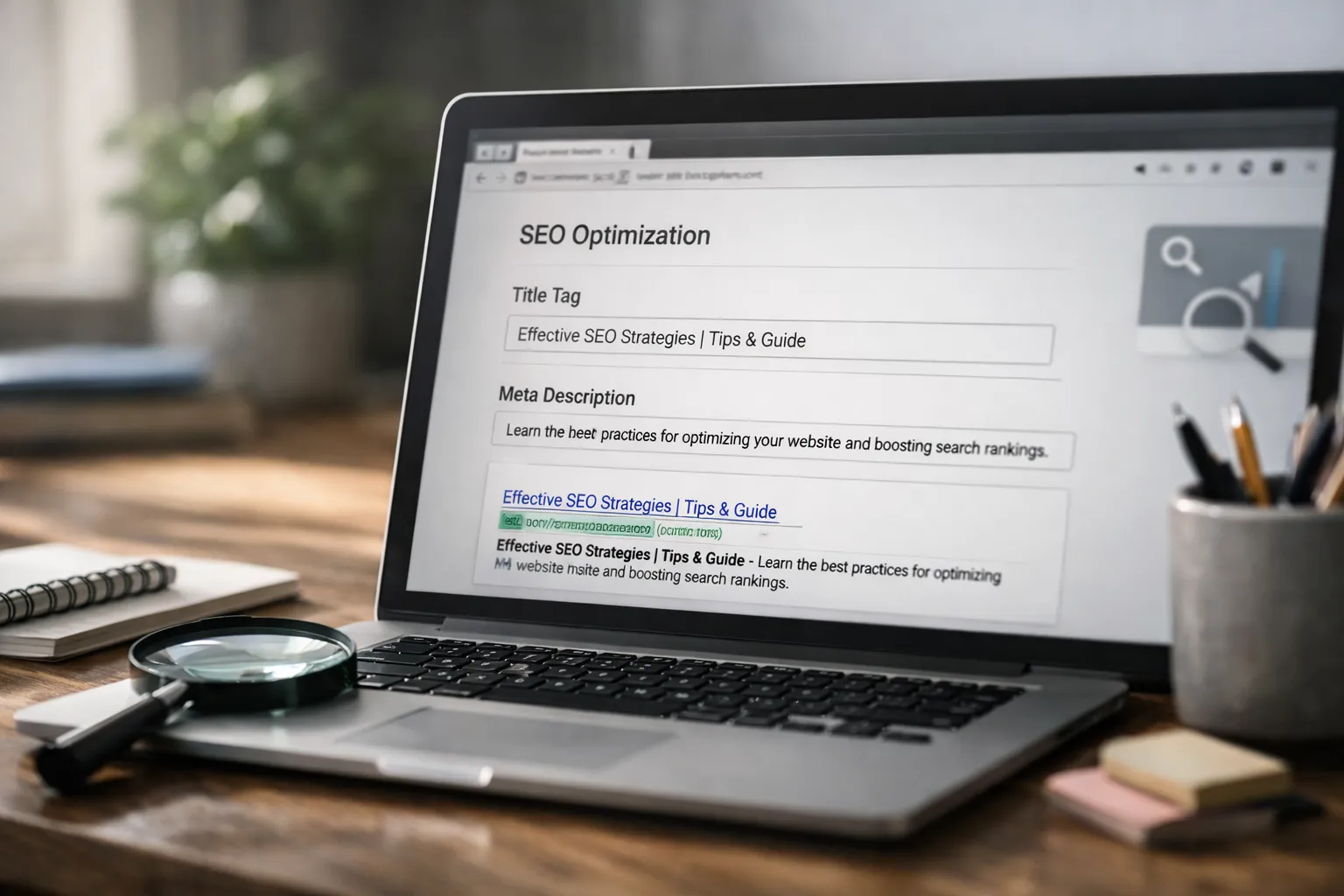
On-page SEO covers the parts of a page you can change yourself: titles, headings, body copy, internal links, image alt text, schema, and page layout. It also includes how clearly the page matches search intent. If someone searches for a beginner guide, do they get a beginner guide or a thin sales page pretending to be one?
It helps to think of on-page work as setting the table. You decide what is served, how it is organized, and how easy it is to consume. If your article is confusing, slow, or poorly structured, search engines and users will both feel that friction. Strong on-page optimization makes your site understandable before anyone else endorses it.
What off-page SEO changes in your reputation across the web
Off-site SEO is about the signals that suggest other people trust or notice your site. Backlinks are the most obvious example, but they are not the whole picture. Brand mentions, reviews, local citations, podcast appearances, digital PR coverage, and discussion in relevant communities can all strengthen your reputation.
One is the house. The other is the neighborhood talking about it.
Imagine two new plumbers in the same city. Their websites are equally decent. One has recent reviews, a mention from the local chamber of commerce, and a link from a neighborhood blog. The other has none of that. Even if their pages look similar, the first business appears more established across the web. That is the simple difference beginners need to remember.
On-Page SEO in 2026: What You Can Still Control
In 2026, the controllable side of SEO is still the foundation. Search engines keep getting better at judging usefulness, structure, and page experience. That is good news, because these are fixes you can make this week without waiting on anyone else.
Content relevance, internal links, and page experience
Useful content still wins more often than clever tricks. A page should answer the search clearly, cover the basics without fluff, and guide readers to the next useful step. Internal links help search engines understand which pages matter most and how topics connect. Page experience also matters, especially when slow loading, intrusive popups, or messy mobile layouts get in the way.
If you need a dependable baseline, Google's SEO starter guide is still worth reading. It is not flashy, but it keeps you focused on the essentials. Clear information architecture, descriptive headings, and pages that load well on phones are not exciting. They are simply effective.
Why on-page fixes usually come before off-page promotion
Promoting a weak page is like inviting people to a store before the shelves are stocked. You might still get attention, but it will not turn into trust, links, or repeat visits. That is why beginners usually get better returns by improving a handful of pages first, then promoting those pages.
A clean page gives external seo something to support. If the content is thin, dated, or hard to use, even a good link will not do much over time. Search engines want to rank pages that deserve attention, not pages that merely attract it.
Here is a quick way to separate direct controls from indirect ones.
| Area | You control it directly? | Why it matters first |
|---|---|---|
| Search intent match | Yes | It determines whether the page satisfies the query |
| Internal links | Yes | They pass context and help important pages get discovered |
| Page speed and mobile layout | Yes | They reduce friction and improve usability |
| Brand mentions and earned links | No | They usually depend on reputation and outreach |
How Off-Page SEO Affects SEO Ranking in 2026
In 2026, off page seo still affects ranking because search engines need evidence that a site is trusted beyond its own claims. Any page can say it is helpful. Independent references carry more weight. When several pages are similarly solid, reputation often helps break the tie.
Off-Page SEO Signals Beyond Link Building
Backlinks still matter, but modern off-page optimization is broader than link count. Search engines also look for signs that a brand exists in the real world and is discussed by credible sources. That can include branded searches, local reviews, consistent business citations, expert mentions, press coverage, and even the general pattern of how people refer to your site.
Digital PR is a good example. When a company publishes original research, a calculator, or a genuinely useful resource, journalists and bloggers may reference it. That creates links, mentions, and sometimes direct traffic at the same time. A well known example is Backlinko's ranking studies, which earned thousands of backlinks because publishers cited the data. One strong asset can do more than dozens of weak directory submissions.
Google does not publish a neat checklist of every signal, but Google's ranking systems guide makes the big point clear: rankings are shaped by many systems working together. Off-page factors help validate that your site is worth trusting.
Domain Authority and Site Authority in Off-Page SEO
This is where many beginners get confused. Domain Authority, Site Authority, and similar scores are third-party metrics, not Google metrics. Tools such as Moz estimate how strong a domain may be based on link patterns and other signals. Useful? Yes. Official ranking factors? No.
Treat these scores like a weather app, not a legal contract.
They can help you compare opportunities or track relative progress, but they should never become the goal itself. A site with a lower score can still outrank a stronger-looking domain if it has better topical relevance, better content, and a cleaner user experience. Use authority scores as rough directional hints, not proof of success.

What Actually Moves the Needle First: A Beginner-Friendly 2026 Plan
This is the point where many beginners feel tempted to chase shortcuts. Try not to. A calm sequence works better than frantic activity. Build a few pages worth citing, earn a few real mentions, then expand what is already working.
Link Building Strategies for Off-Page SEO
For off page seo, beginners should avoid spammy shortcuts and focus on methods that give other sites a real reason to mention them.
- Create one link worthy asset, such as original data, a practical template, a calculator, or a genuinely useful local guide.
- Reach out to people who already cover the topic, including niche bloggers, journalists, associations, podcasts, and community newsletters.
- Reclaim easy wins by asking for a link when your brand is mentioned without one, or by fixing broken references to your pages.
- Earn trust locally through reviews, partnerships, sponsorship pages, and relevant directories, especially if you serve a geographic area.
The pattern is simple. If the page is forgettable, outreach feels awkward. If the page is useful, outreach feels like a heads-up.
A simple sequence: build useful pages, earn mentions, then scale
Picture a small accounting firm with three strong service pages, a tax deadline checklist, and a simple FAQ hub. First, the firm improves those pages so they load fast, answer common questions, and link clearly to each other. Next, it asks happy clients for reviews, contributes a short commentary to a local business publication, and gets listed by the chamber of commerce. Then it turns one helpful resource into a yearly update and reaches out again.
That sequence is boring in the best way. It compounds.
This is what off-page search optimization should feel like for beginners: not random link chasing, but steady credibility building. Scale comes later, after you know which pages attract links, which partnerships send traffic, and which mentions actually lead to inquiries.
FAQ for Off Page SEO and On-Page SEO
Most questions about off-site optimization come down to one concern: do you really need it? The honest answer is that sometimes you can get traction without much of it, but eventually competition raises the bar. Context matters more than slogans.
Can you rank with strong on-page SEO but weak off-page SEO?
Yes, especially for low competition topics, very specific long-tail queries, or newer niches where few sites have built strong authority yet. If your page is the clearest answer, it can rank surprisingly well with little offsite seo support.
But there is usually a ceiling. Once you enter tougher spaces like finance, legal, health, SaaS, or competitive local markets, reputation becomes harder to ignore. A strong page may get indexed and even reach page one for some terms, yet still struggle to hold top positions against sites with stronger link profiles, better reviews, and more brand recognition. Good on-page work can open the door. External signals often decide how far you walk through it.
Are social shares, reviews, and brand mentions part of off-page SEO?
Yes, in the broader sense. Social shares may not pass classic link equity the way a standard editorial link can, but they can amplify visibility, attract journalists, and lead to secondary links. Reviews matter heavily for local businesses because they shape trust and influence map visibility. Brand mentions, even unlinked ones, can reinforce that your business is being discussed and recognized.
If you manage a local presence, Google Business Profile guidance on reviews is worth following. The bigger lesson is simple: not every off-page signal works the same way, but together they help search engines and users see whether your brand looks credible beyond your own website.
More FAQ and Final Takeaways for 2026
By now, the pattern should feel clearer. You are not choosing between site quality and web reputation. You are building them in the right order. The hard part about off page seo is patience, because its effects often show up gradually rather than all at once.
How long does off-page SEO take to affect rankings?
It depends on the site, the query, and the quality of the signals you earn. A new mention on a trusted site can help discovery quickly, but broader ranking movement often takes weeks or months. Search engines need time to crawl links, process new reviews, observe behavior, and compare your site against others competing for the same terms.
That is why short bursts of activity can feel disappointing. One campaign rarely changes everything. Consistent mentions, steady review growth, and a few high quality links over several months usually tell a stronger story than one noisy spike.
What should beginners measure first: links, authority scores, or traffic?
Start with outcomes, not vanity numbers. Are your important pages indexed? Are they moving up for relevant queries? Is qualified organic traffic rising? Are you earning more branded searches, leads, calls, or email signups? Links and authority scores matter, but mostly as supporting indicators.
A practical beginner stack is simple: track rankings for core topics, monitor clicks and impressions in Search Console, watch which pages earn referring domains, and note whether traffic is actually converting. If a page gets three good links and no improvement, the issue may be relevance or page quality, not promotion. In 2026, the smartest approach is still the least glamorous one: make useful pages, earn real trust, and let your reputation grow from work people want to cite.