Most of us don’t think about meta descriptions until the moment we have to write one. Then it’s suddenly: 155 characters, zero fluff, and somehow it needs to sound compelling, accurate, and clickable. If you’ve ever stared at a blinking cursor and thought, “Why is this so hard?” you’re not alone-and an AI meta description generator can help you get unstuck fast.
But here’s the real win: you’re not outsourcing your voice. You’re speeding up the boring part so you can spend your time on the parts that actually move the needle.
What a Meta Description Really Does
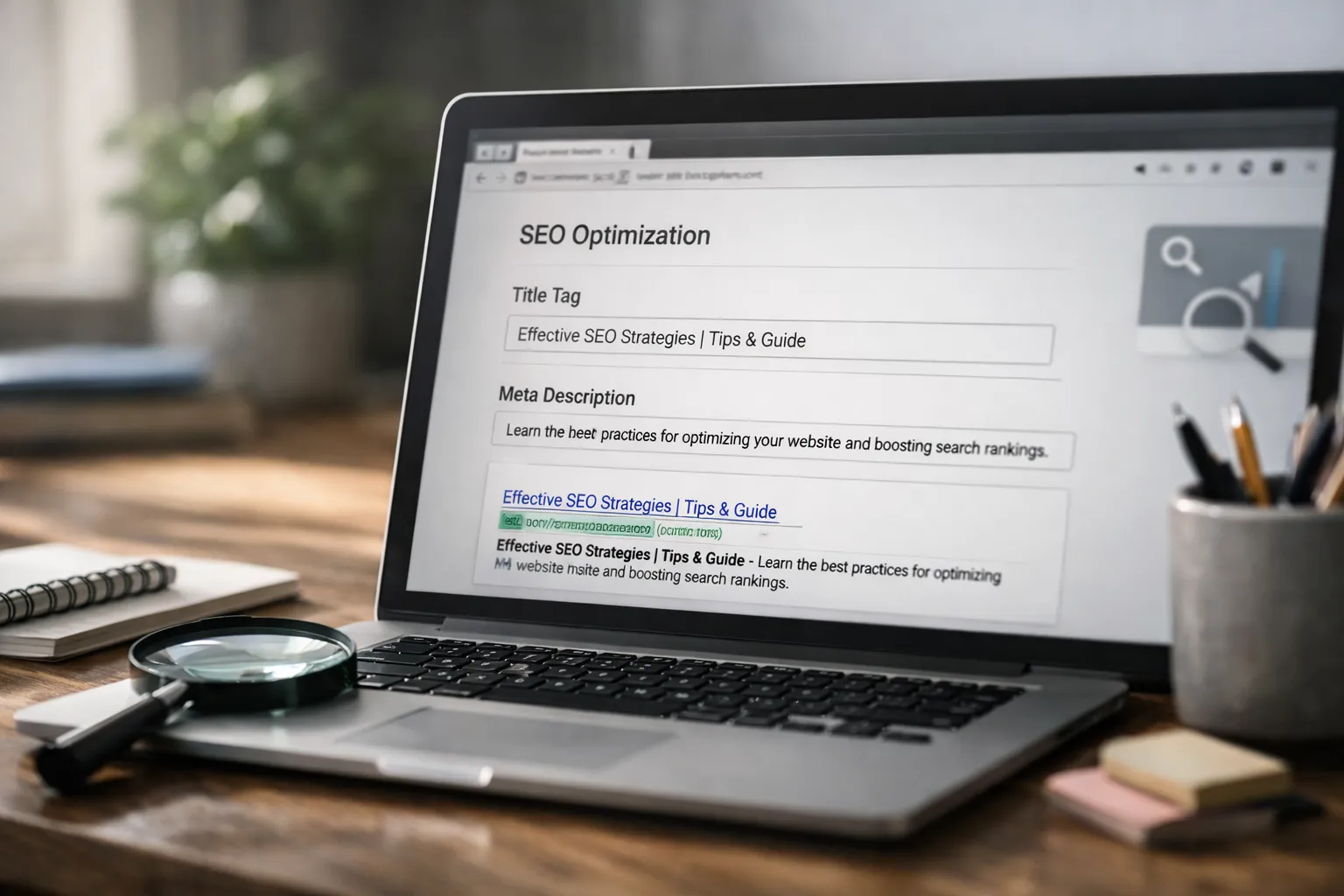
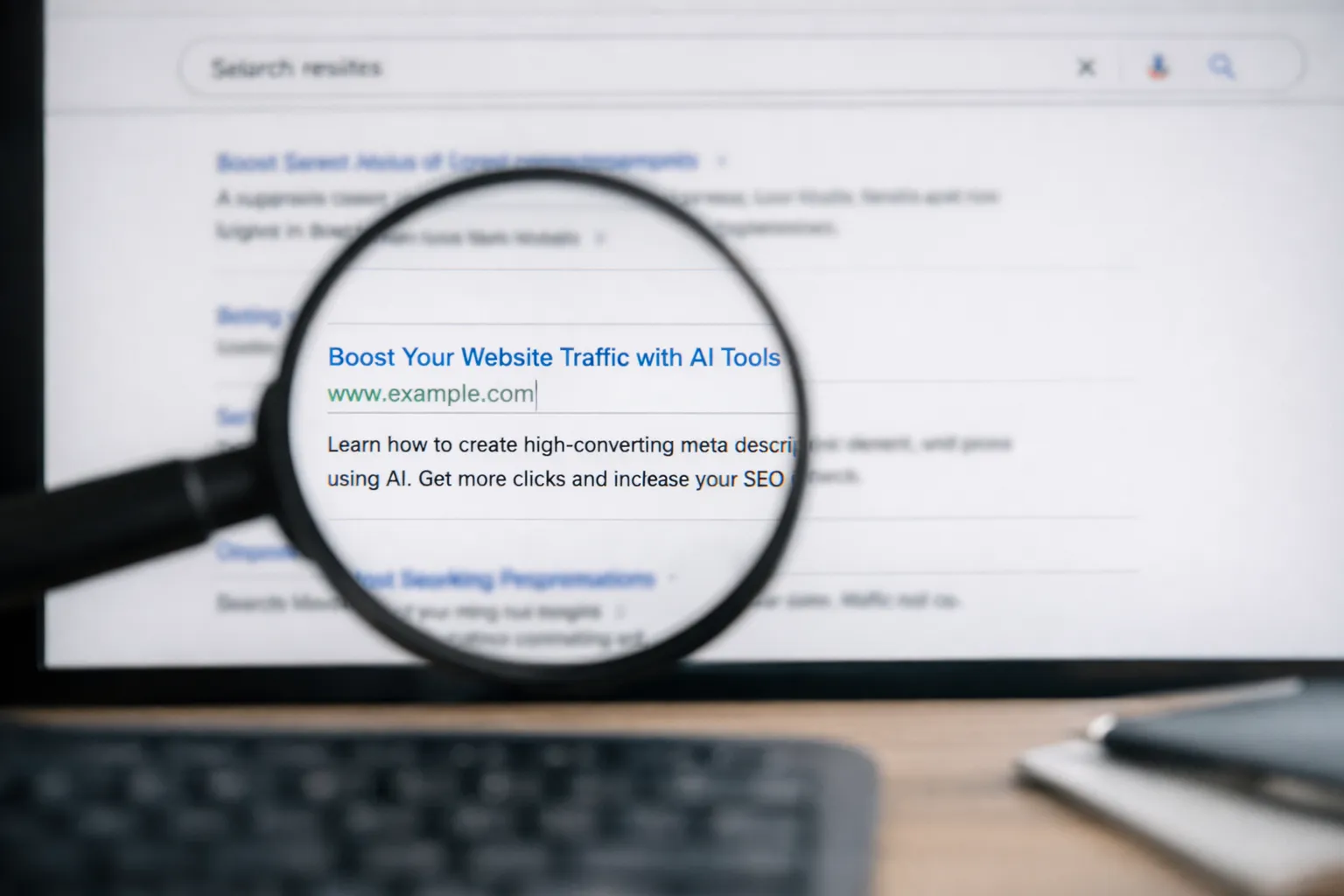
A meta description is the short snippet people see under your page title on a search results page. It doesn’t “rank” your page by itself, but it often decides whether someone clicks.
Think of it like the tiny pitch on the back of a book. If it’s vague, people scroll past. If it’s specific-clear benefit, clear audience, clear promise-people pause.
So ask yourself: if you only had one sentence to convince someone to choose your page over the nine others, what would you say?
Why People Struggle to Write Them
Meta descriptions live in an awkward space. They’re marketing copy, but they’re also documentation. They need to sound human, but they’re constrained by character limits. And the pressure is weirdly high because it’s so visible.
I’ve seen experienced writers freeze here. One content lead told me they could draft a 2,000-word article in a morning, then spend another hour trying to “nail” a single meta description. That’s not a skill issue-it’s the format.
When an AI Meta Description Generator Makes Sense
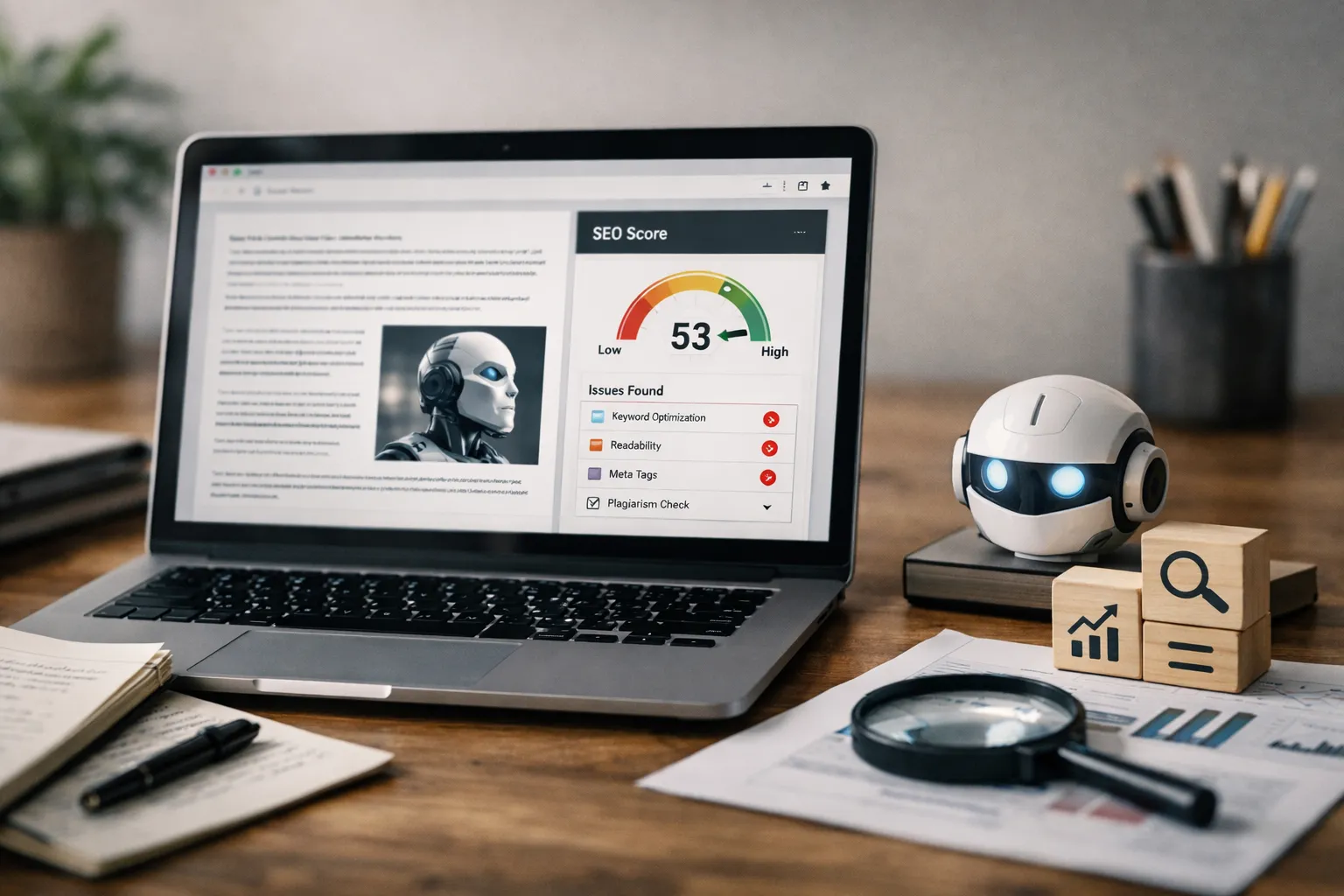
An AI meta description generator is most useful when you need speed, consistency, and a solid first draft-especially across dozens (or hundreds) of pages.
It’s a great fit when you’re:
- Refreshing old posts and updating snippets to match new angles
- Launching a big category structure for e-commerce (where every page can’t be handcrafted)
- Managing a site with multiple authors and uneven writing styles
The best part is that it gives you something concrete to react to. Editing is easier than inventing.
Measuring Impact in Search Results
If you’re going to invest time in rewriting descriptions, you’ll want to know whether it helped. The simplest approach is to track click-through rate (CTR) changes in Google Search Console after updates.
A quick caution, though: CTR can shift for reasons that have nothing to do with your snippet-seasonality, ranking changes, SERP features, or competitors improving their titles. So look for patterns across groups of pages rather than obsessing over one URL.
And one more question worth asking: are people clicking and bouncing? If the snippet promises one thing and the page delivers another, you may win the click and lose the trust.
Choosing the Right Generator for Your Workflow
There are plenty of options that function like an ai meta description tool: paste in text, pick a tone, get a few variations. What matters is how well it fits the way you actually publish.
If you’re solo, you might want something lightweight that works inside your CMS or browser.
If you’re on a team, you’ll care more about shared guidelines, repeatable prompts, and a review step-because consistency matters. A meta description generator with ai features is only as good as your process for approving what goes live.
If you’re choosing a broader stack, this guide to AI SEO tools for real teams can help you pick what fits your workflow.
Prompts That Get Strong Outputs
Most “bad AI” output is really “bad input.” Give a tool a vague page summary and you’ll get a vague description back.
Here’s one bulletproof approach you can reuse with any meta description ai writer:
- Provide the page topic, the audience, the primary benefit, and one concrete detail (a number, time frame, location, or differentiator).
For example, don’t say: “This page is about email marketing.”
Do say: “Audience: SaaS founders. Topic: onboarding email sequences. Benefit: reduce churn in first 14 days. Detail: includes 7-email template.”
Suddenly the output has something real to work with-and you have something worth polishing.
How to Edit AI Drafts So They Sound Like You
A strong draft still needs a human pass. The fastest editing trick is to read the description out loud. If it sounds like a brochure written by a committee, it’s not done yet.
Use your editing pass to do three things:
- Add specificity (numbers, outcomes, constraints)
- Remove inflated language (words like “ultimate,” “revolutionary,” or “world-class” rarely help)
- Match the page’s actual promise
This is where an AI meta description generator becomes a teammate instead of a replacement: it gets you to “okay,” and you get it to “excellent.”
“We stopped treating meta descriptions like an afterthought. We generate three options, then edit one like a headline. CTR didn’t explode overnight, but it improved across the pages we refreshed-and the brand voice stayed intact.”
Real-World Examples
Below are a few simple “before and after” rewrites. Notice that the improved versions don’t just sound nicer-they tell the searcher what they’ll get.
| Page type | Before | After |
|---|---|---|
| Blog post | Learn about project management and how to improve your workflow. | Project management basics for busy teams: 5 practical steps to cut status meetings and ship work faster. |
| Service page | We provide accounting services for small businesses. | Small-business accounting services: bookkeeping, payroll, and monthly reporting-so you always know your numbers. |
| Product category | Shop our collection of running shoes online. | Running shoes for road and trail-lightweight, cushioned, and sized for men and women. Find your fit fast. |
If you’re using an AI meta description generator, aim for outputs that look more like the “after” column: clear, concrete, and audience-aware.
SEO Considerations You Shouldn’t Ignore
Meta descriptions don’t live in isolation. They work alongside your title tag, URL, and the search intent behind the query.
A few practical reminders:
- Google may rewrite your description if it thinks another snippet better matches the query.
- Your description should complement the title, not repeat it.
- Avoid stuffing keywords. It reads awkwardly, and it’s usually a signal you’re not saying anything meaningful.
If you want a different angle, try an ai seo description generator output as a starting point, then edit for clarity and accuracy.
Team Use: Agencies, E-commerce, and Publishers
Different teams use these tools differently.
Agencies often rely on a serp description generator to produce quick variations during audits. The key is documenting a style guide so every client doesn’t end up with the same generic tone.
E-commerce teams benefit from templates: brand + product type + key spec + shipping/returns hook. Pair that with an ai snippet generator and you can cover large catalogs without leaving half your pages with empty or duplicated descriptions.
Publishers usually care about voice. An ai meta tag writer can help with scale, but the editorial team should still enforce a consistent rhythm-short sentences, vivid verbs, no “marketing fog.”
Common Mistakes
The most common mistake is treating the description like a summary instead of an invitation.
A few others to watch for:
- Descriptions that don’t match the page (you’ll earn the click and lose the reader)
- Empty claims with no detail (“high quality,” “top solutions,” “industry leading”)
- Copy-pasting one description across many pages
An AI meta description generator won’t automatically prevent these issues-but it can make it easier to spot them, because you’ll have multiple drafts to compare.
A Quick Checklist
Before you publish, run your final draft through this quick check. It takes 30 seconds and saves you from the most common regrets.
- Does it match what the page actually delivers?
- Is there a clear benefit or outcome?
- Is it written for a specific person (not “everyone”)?
- Does it sound natural when read out loud?
- Would you click it over the results above and below it?
If you’re churning through a batch, keep this checklist next to your AI meta description generator so the tool stays consistent with your standards-not the other way around.
Final Thoughts
Meta descriptions are tiny, but they’re not trivial. They’re often your first impression-your one chance to earn the click from someone who doesn’t know you yet.
Use an AI meta description generator to move faster, yes. But don’t skip the human step: the small edits-one sharper verb, one real detail, one clearer promise-are usually what turn a “fine” snippet into a click-worthy one. If you’re also drafting full pages with AI, use this workflow on making AI content writing for SEO rank faster to keep quality high while you scale.